
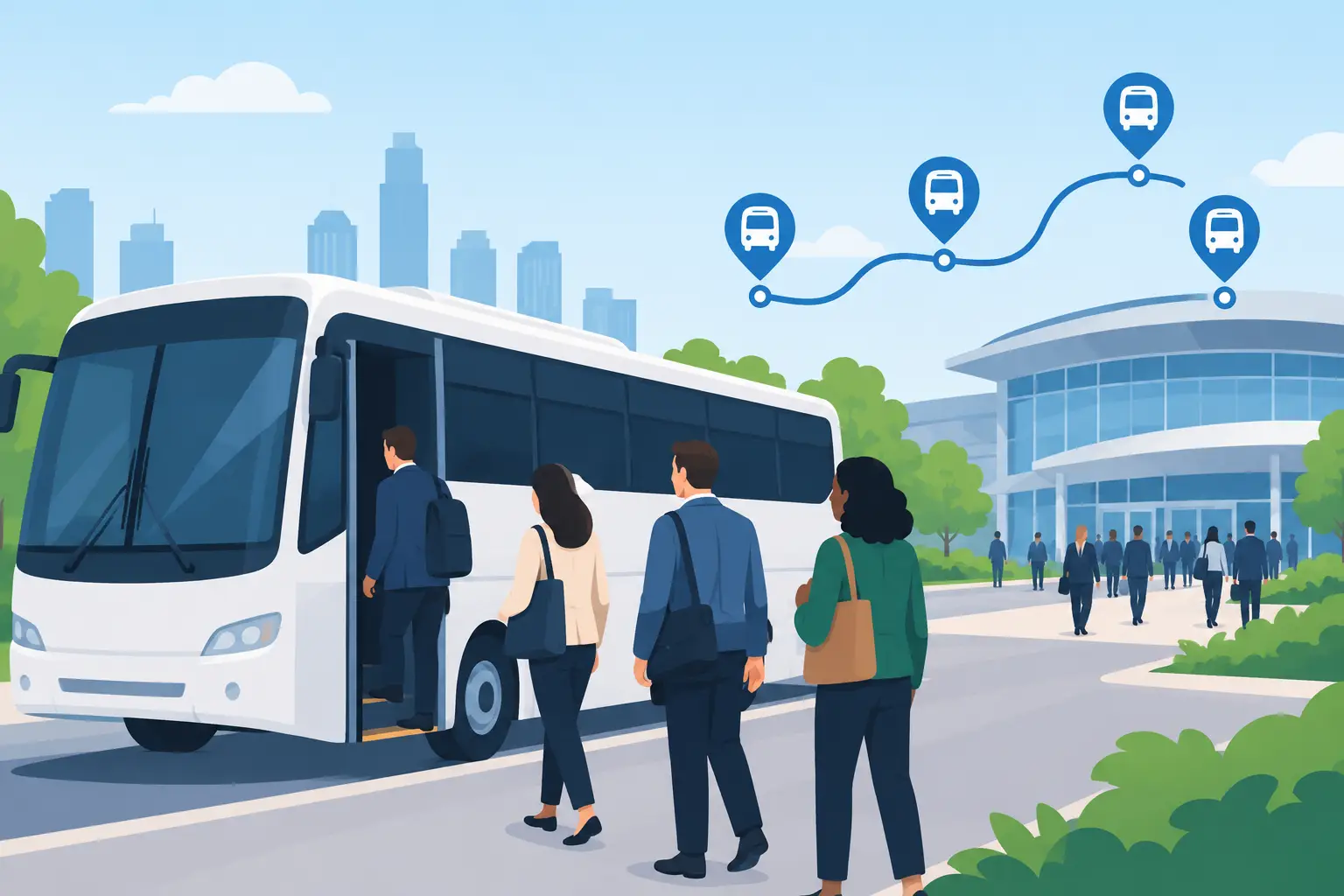
A delayed shuttle can make a well-planned conference feel disorganized before the first speaker takes the stage. Delegates may arrive from different hotels, flights, and parts of the city, often carrying luggage or traveling with colleagues. Knowing how to organize conference shuttle routes means turning those moving parts into a clear, reliable transport plan that guests can follow without repeated calls or confusion.
For conferences in Singapore, the details matter. Peak-hour traffic, hotel loading bays, airport arrivals, and large venues can all affect timing. The best shuttle plan is not simply the shortest route on a map. It is a schedule built around guest behavior, realistic travel times, vehicle capacity, and clear communication.
Start With the Delegate Journey
Before choosing vehicles or plotting stops, map the journey your delegates will actually take. Ask where they are coming from, when they need to arrive, whether they will have luggage, and where they need to go after each session. A morning transfer from several hotels to a convention venue has different requirements from an airport welcome service or an evening dinner transfer.
Group passengers by location and travel need. For example, international attendees landing at Changi Airport may need a dedicated airport-to-hotel service, while local delegates may only need a hotel-to-venue shuttle during the main event days. Mixing these groups into one route can create long waits and unnecessary detours.
Also consider who is traveling. Senior guests, families, VIPs, speakers, and delegates with mobility needs may benefit from a more direct transfer. A route that looks efficient on paper can become uncomfortable if guests must board too early, wait through multiple stops, or walk a long distance from a drop-off point.
How to Organize Conference Shuttle Routes Around Demand
Start with confirmed registration data, then separate guests by hotel, arrival window, and daily attendance requirements. Do not rely only on total delegate numbers. A 500-person conference may have 300 people needing transport in the morning, 120 needing an airport pickup, and only 80 traveling to an off-site dinner.
Estimate demand by time block. The busiest periods are usually the first morning arrival, the final session departure, and transfers to social events. Plan enough seats for these peaks rather than spreading every vehicle evenly across the day. It is usually better to have additional capacity for a 30-minute rush than to leave guests waiting because every bus is already full.
A practical plan often uses a mix of vehicles. A 45-seater bus can serve a high-demand hotel cluster, while MPVs or private cars are better for speakers, executives, families, or late airport arrivals. This combination helps control costs without asking every guest to fit into one fixed transport pattern.
Build in a modest seat buffer. Last-minute registrations, accompanying guests, and schedule changes are common at business events. A completely full vehicle leaves no room to respond when plans shift.
Keep Routes Simple and Stops Limited
The temptation is to serve every hotel with one shuttle loop. In practice, too many stops create late arrivals and frustrated delegates. Keep each route focused on hotels or pickup points that are close together and have similar departure needs.
For most conference transfers, one to three pickup points per route is manageable. More may be possible, but only if the locations are close and each stop has a safe, accessible waiting area. If a hotel is far from the main cluster, a separate smaller vehicle can be more reliable than adding a lengthy diversion for everyone else.
Choose pickup points with operations in mind. The entrance must allow buses or vans to stop legally, guests need a clear place to wait, and the driver needs enough space to load luggage if required. A hotel concierge desk or event contact can help confirm the correct loading bay before event day.
At the venue, confirm exactly where vehicles may drop off and collect passengers. Large convention centers often have designated coach bays, restricted entrances, and timed access rules. A short walk may be acceptable, but delegates should know about it in advance, especially during rain or when carrying materials.
Build the Schedule From the Event Backward
Set the required arrival time at the venue first, then work backward. If registration opens at 8:30 a.m. and the first session begins at 9:00 a.m., do not plan the final shuttle arrival for 8:55 a.m. Guests need time to enter, register, find coffee, and settle in.
For a major morning session, aim to have the first delegates arriving 30 to 45 minutes before the program starts. Then calculate travel time using conditions that match the actual departure period. A route that takes 20 minutes at midday may take much longer during a weekday morning commute.
Add time for boarding, hotel departures, traffic lights, loading bays, and venue access. These small delays are where tight schedules fail. A practical buffer is especially valuable for airport transfers, where baggage collection, immigration, and flight delays can change the pickup time.
Run more frequent departures during the busiest window rather than scheduling one oversized early departure. For example, three departures across 45 minutes can give guests flexibility while reducing crowding in the hotel lobby. For return trips, publish the last departure clearly and consider one later vehicle for delegates staying behind to network or meet clients.
Match Vehicles to People, Luggage, and Purpose
Passenger count is only one part of vehicle selection. A vehicle that seats 13 people may not suit 13 guests arriving with full-size suitcases. Likewise, a 45-seater bus may be ideal for a hotel-to-venue movement but inefficient for two delayed arrivals after midnight.
Consider four operational factors when assigning vehicles:
- Expected passenger numbers for each departure window
- Luggage volume, strollers, equipment, or exhibition materials
- Road access at hotels, restaurants, and venue loading areas
- The service level required for VIPs, speakers, and special guests
For larger groups, coach transport keeps the main flow organized and visible. For smaller groups, MPVs and private cars offer a more direct experience. A good transport partner can help recommend the vehicle mix after reviewing the itinerary, guest count, and pickup locations.
Give Delegates One Clear Set of Instructions
Even a well-designed route will struggle if guests do not know where to go. Send shuttle details before arrival and repeat them in the event app, registration email, hotel welcome desk, or group chat. Use plain language: hotel name, exact pickup point, departure time, destination, and a contact number for urgent help.
Avoid vague directions such as “outside the hotel” or “morning shuttle available.” Instead, tell guests to meet at the main lobby coach bay at 8:05 a.m. for an 8:15 a.m. departure. If the vehicle is marked for a specific conference, say so.
For larger events, assign a transport coordinator or hotel marshal during peak periods. This person can check passengers in, guide guests to the right vehicle, monitor no-shows, and alert the transport team when a departure is ready. Drivers should not be expected to manage a crowded lobby alone while staying on schedule.
Plan for Changes Before They Happen
Flight delays, weather, late sessions, and attendance changes are normal. The difference between a stressful transport operation and a calm one is having a response plan before the issue occurs.
Keep a live contact list for the event organizer, hotel contacts, venue operations team, and transport coordinator. Confirm who can approve added vehicles, route changes, or extended waiting time. If an airport arrival is delayed, decide in advance whether the driver will wait, the guest will be moved to a later transfer, or a private pickup will be arranged.
It also helps to keep one contingency vehicle or driver available around the highest-risk periods. This may add cost, so it depends on the event size and the importance of punctual arrivals. For a conference with keynote speakers, executive guests, or a fixed opening ceremony, the extra protection is often worthwhile.
Review the Plan After Day One
For multi-day conferences, use the first day to improve the next. Check actual passenger counts, departure timing, traffic delays, and feedback from drivers and delegates. You may find that one hotel needs an earlier pickup, a return shuttle needs more seats, or a low-demand route can be combined.
The goal is not to make every route identical. It is to make each trip predictable for the people using it. With clear pickup points, the right vehicle mix, realistic timing, and responsive coordination, conference transport becomes one less thing your delegates need to think about.
A reliable shuttle service lets guests focus on the event, not on finding their next ride. When every transfer feels planned, punctual, and easy to understand, it supports the professional experience your conference is meant to deliver.