Professional Driver Safety Standards in Singapore
Landing at Changi Airport after a long flight is not the moment to wonder whether your driver knows the route, has room for your luggage, or will arrive at all. Professional driver safety standards turn a private transfer from a simple ride into a dependable part of your travel plan. For families, business travelers, and groups, that certainty matters just as much as the vehicle itself.
A safe journey is rarely about one dramatic decision on the road. It is the result of small, consistent practices: licensed operations, prepared drivers, well-maintained vehicles, clear pickup instructions, sensible driving, and responsive support when plans change. When choosing transportation in Singapore, these are the standards worth looking for.
What Professional Driver Safety Standards Should Cover
Safety is broader than a driver obeying traffic lights. A professional transport provider should have systems that support the driver before, during, and after each booking. The best service feels calm because the preparation happened before you stepped into the vehicle.
Licensed operations and qualified drivers
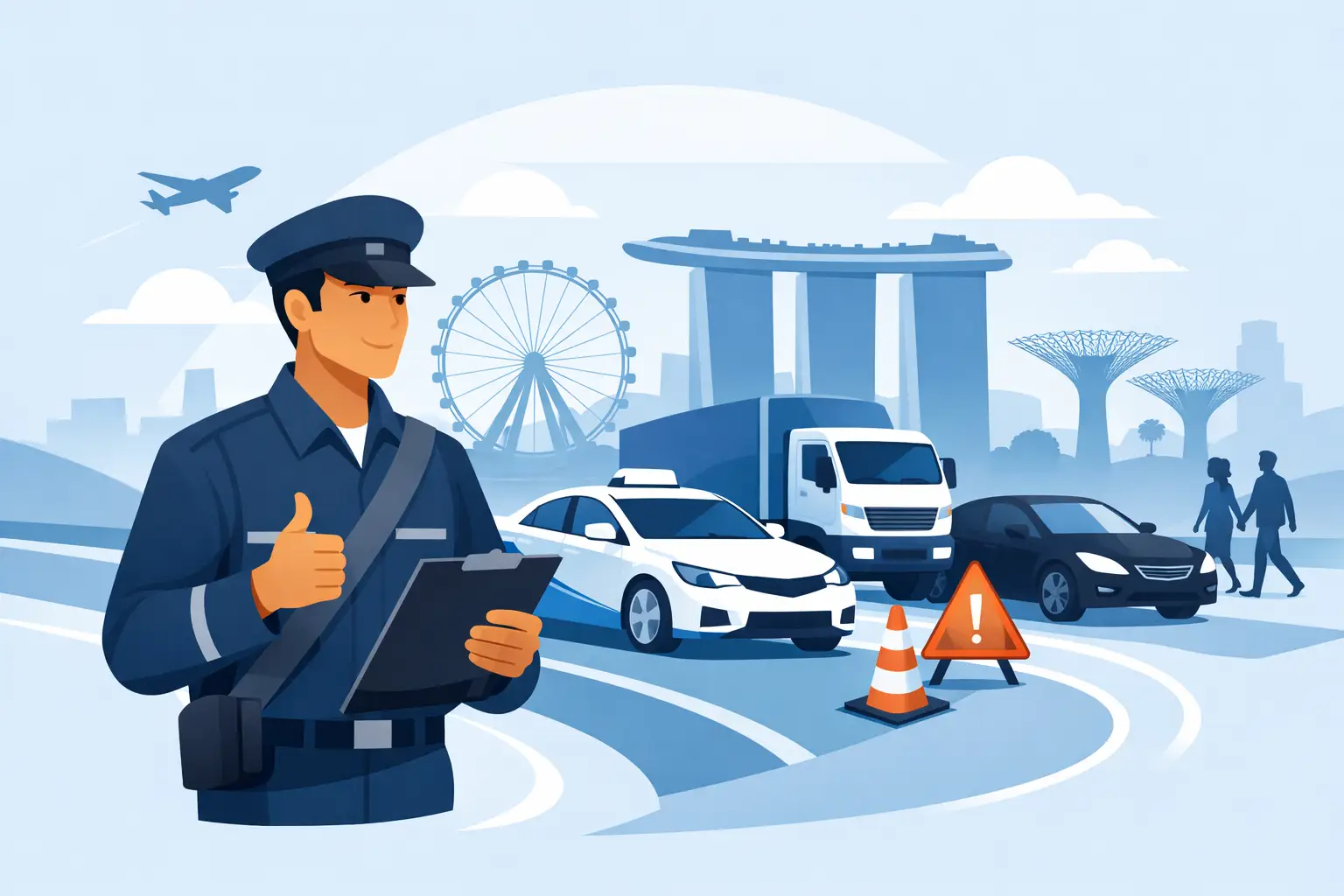
Start with the basics: use a licensed transportation company that operates openly and provides clear booking details. A professional driver should hold the appropriate local qualifications for the vehicle and service provided, understand Singapore road rules, and be familiar with airport, hotel, cruise terminal, and attraction pickup procedures.
Local knowledge is a safety benefit, not just a convenience. A driver who understands which airport meeting point fits your arrival terminal, where coach bays are located, and how traffic patterns affect a city transfer can avoid last-minute stops and confusing detours. For visitors who are new to Singapore, this reduces the stress of navigating an unfamiliar place with children, luggage, or a tight schedule.
Drivers also need to be fit for duty. Responsible operators manage schedules so drivers have adequate rest and are not pressured to rush between bookings. Punctuality should come from planning, not speeding.
Vehicle condition, cleanliness, and the right fit
A polished exterior is nice, but vehicle safety begins with routine inspection and maintenance. Tires, brakes, lights, seat belts, air conditioning, doors, and luggage areas should all be checked and kept in good working order. For private cars, MPVs, vans, and buses, the maintenance needs vary, but the principle is the same: the vehicle should be suitable for the passengers and trip it is assigned to.
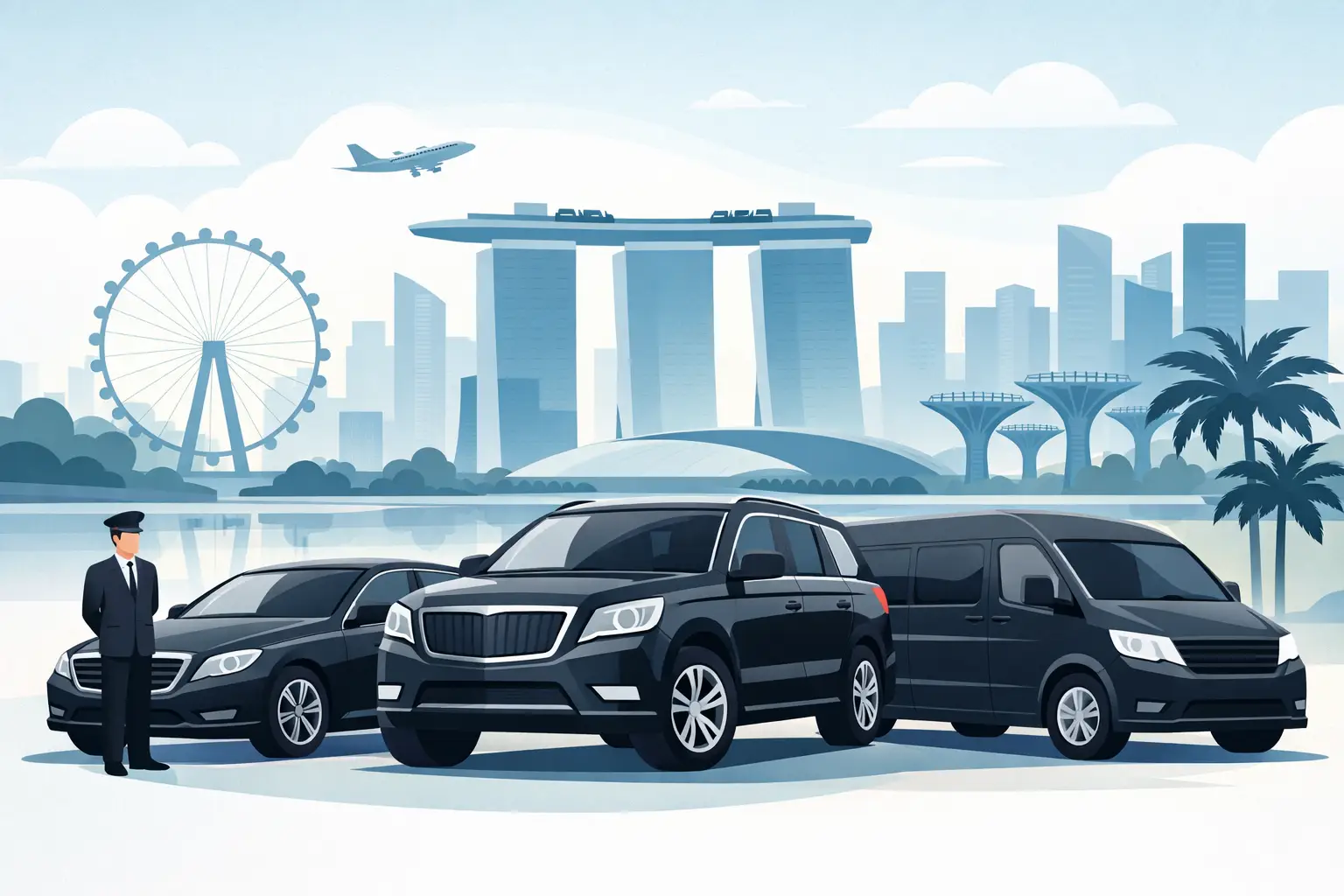
Vehicle size is often overlooked. A sedan may be comfortable for two passengers with light bags, while a family arriving with large suitcases may need an MPV. A group that tries to save money by booking too small a vehicle can end up with unsecured luggage, limited legroom, and an uncomfortable ride. For a 45-seater bus, passenger capacity is only one consideration. The operator must also account for bags, mobility needs, the pickup location, and whether the itinerary includes stops with limited coach access.
Cleanliness supports safety, too. A tidy cabin makes it easier to see and use seat belts, move without tripping over loose items, and enter or exit the vehicle safely. It also gives travelers a clear signal that the operator cares about details.
Safe driving behavior in real travel conditions
Singapore’s roads are generally well organized, but busy airport approaches, downtown traffic, hotel driveways, and sudden rain still require careful driving. Professional behavior means following speed limits, leaving enough stopping distance, using signals consistently, and adjusting driving to the weather and road conditions.
Passengers should not feel rushed. Smooth acceleration, controlled braking, and considerate lane changes are especially important for young children, older adults, travelers who are tired after a flight, and guests who may feel unwell in traffic. A professional driver understands that arriving comfortably is part of arriving safely.
Distraction management is equally important. Navigation and dispatch communication may be necessary, but they should never take attention away from the road. A driver should handle essential communication responsibly and avoid unnecessary phone use while driving.
Safety Starts Before the Vehicle Arrives
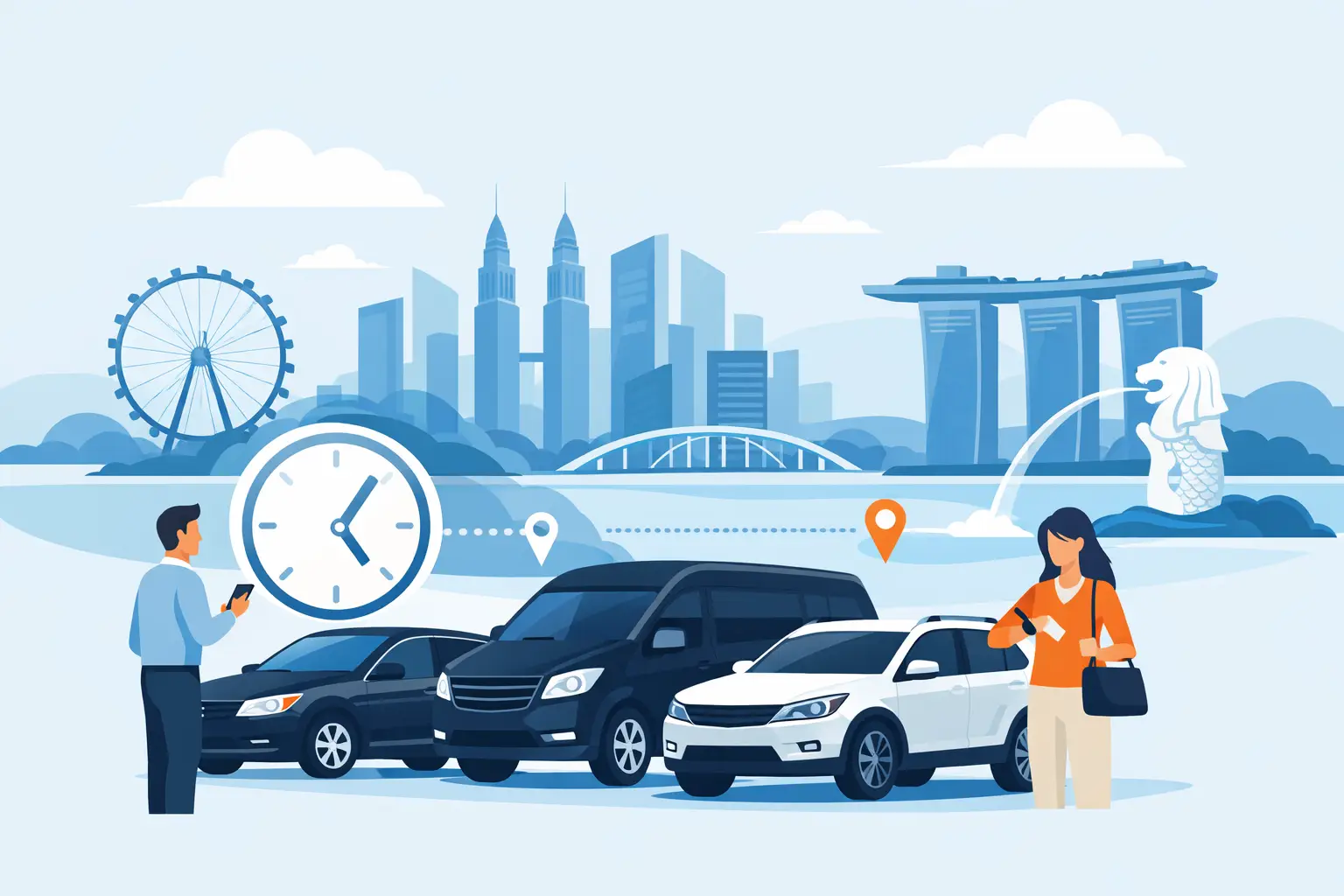
For airport transfers and pre-booked transportation, communication is one of the most practical safety controls. Travelers should know what to expect before landing: the meeting point, driver or coordinator instructions, vehicle details when available, and a way to get assistance if the flight is delayed.
Clear instructions prevent passengers from crossing unfamiliar pickup lanes, following unofficial solicitors, or waiting in the wrong area. This is particularly helpful for first-time visitors, elderly travelers, and groups arriving on different flights.
A reliable provider also asks the right questions during booking. Flight number, arrival time, passenger count, luggage quantity, child-seat needs, hotel address, and special mobility requirements are not minor details. They allow the operator to assign the right vehicle and prepare the driver properly.
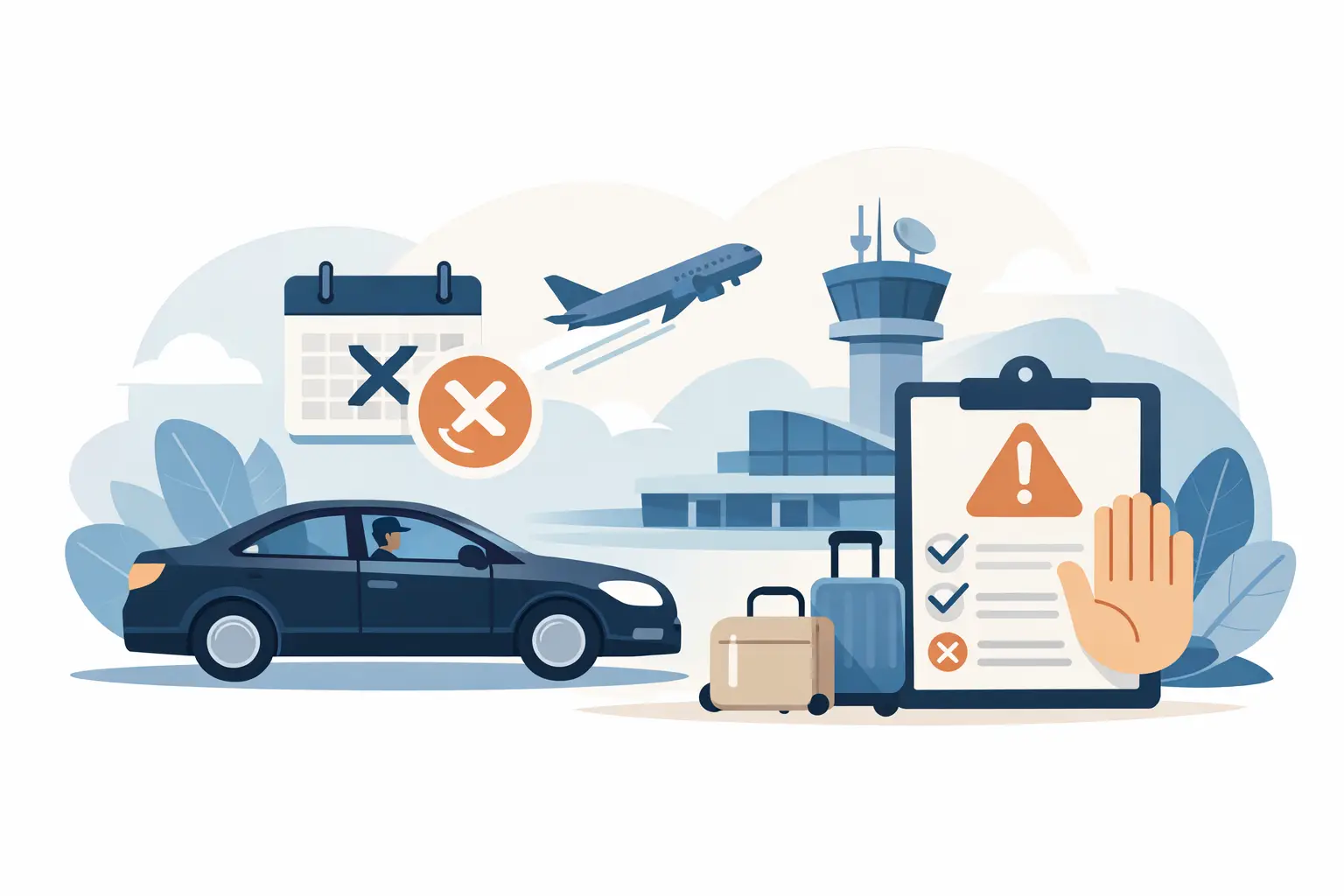
Here are five details to confirm before reserving a transfer:
- The company is licensed and provides a clear booking confirmation.
- The vehicle has enough seats and luggage space for your group.
- Your airport or hotel pickup instructions are easy to understand.
- The quoted price is clear, including any expected waiting or after-hours arrangements.
- You have a customer support contact for delays or changes.
Upfront pricing has a safety connection as well. When the price and service terms are clear, passengers are less likely to make hurried decisions after arrival or accept an unsuitable ride because they are unsure what the final cost will be.
Passenger Safety Is a Shared Responsibility
Even with a professional driver, passengers can make the journey safer by taking a few simple steps. Wear the available seat belt, keep bags and personal items secure, and let the driver know early if anyone needs assistance getting in or out. Parents should request an appropriate child restraint arrangement in advance rather than assuming one will be available at pickup.
For groups, appointing one contact person helps. That person can confirm the headcount, communicate any flight or itinerary changes, and make sure no one is left behind at a stop. This is especially useful for corporate teams, school-style tour groups, and multigenerational family trips where guests may move at different speeds.
There is also a practical trade-off between flexibility and precision. Hourly hire can be ideal when your itinerary may change, but the driver still needs realistic timing and a clear idea of where the group plans to go. Point-to-point transfers are simpler and often more cost-effective when the destination is fixed. Choosing the right service type helps the driver plan safely instead of adapting to avoidable surprises.
How Safety Standards Support Better Travel Experiences
Travelers often judge a transfer by whether the driver arrived on time and the ride was comfortable. Those outcomes are visible, but they depend on less visible professional habits: route planning, vehicle checks, sensible scheduling, accurate booking information, and respectful communication.
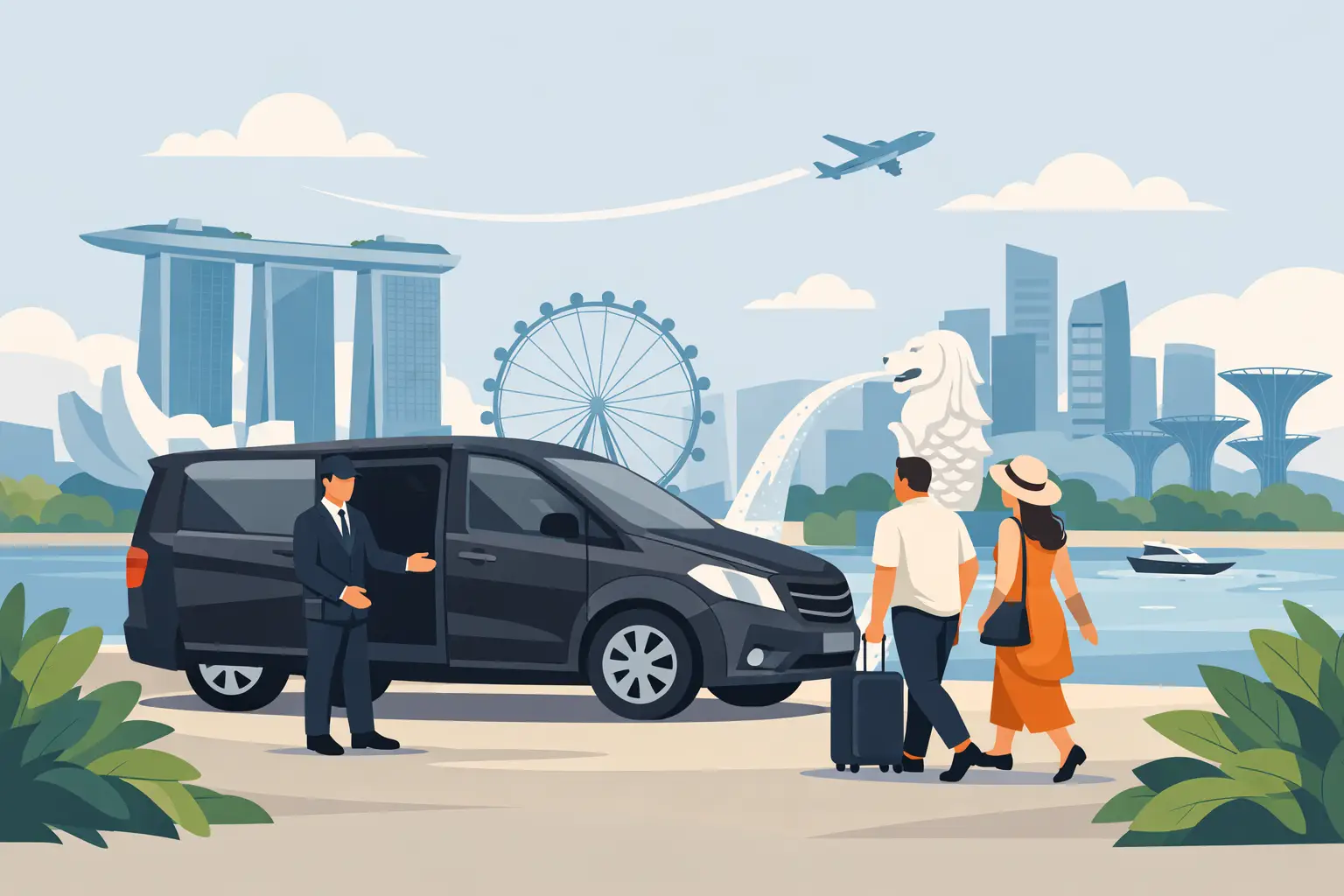
A friendly driver can also make a meaningful difference without overstepping the role. For international visitors, a warm welcome, help with luggage, and useful local orientation can make the first hour in Singapore feel easier. Multilingual communication may be especially valuable when a group has different comfort levels with English. Still, friendliness should always sit alongside professional boundaries, focused driving, and respect for passenger privacy.
At RetTours, the goal of a private transfer is straightforward: help guests move around Singapore with clear arrangements, dependable drivers, and less to worry about. Whether you are booking a sedan from the airport, an MPV for family travel, or a bus for a larger group, the service should match the needs of the people traveling.
Choosing With Confidence
The lowest fare is not always the best value if it comes with unclear pickup instructions, poor communication, or a vehicle that does not fit your group. On the other hand, paying for a premium vehicle is not necessary when a standard option safely and comfortably meets your needs. The right choice depends on your group size, luggage, arrival schedule, and how much certainty you need.
Before you travel, take a moment to share the details that matter and choose an operator that treats those details seriously. A prepared driver, an appropriate vehicle, and a clear plan can make your first ride in Singapore one of the easiest parts of the trip.
Read More...