
Uncategorized

What Happens After Flight Delay?

What Happens After Flight Delay?

A delayed flight rarely ends at the gate. If you are wondering what happens after flight delay, the answer usually involves more than a later landing time. It can affect immigration queues, baggage delivery, airport pick-up timing, hotel check-in, and the rest of your plans for the day.

That is why the most helpful approach is not to guess. It is to know which parts of your trip change, which parts usually stay manageable, and what to do next so the delay does not create unnecessary stress.

What happens after flight delay at the airport

Once your delayed flight finally departs and lands, the first thing that changes is the timing of every step that follows. You still go through the usual arrival process, but it often feels slower because more flights may be arriving around the same time.

If your plane lands during a busy arrival wave, immigration lines can be longer than expected. That is especially common when several delayed flights reach the airport close together. A delay of one hour in the air can sometimes turn into a much bigger delay before you actually leave the terminal.

Baggage claim may also take longer. Ground teams are handling multiple incoming aircraft, and checked bags from delayed flights do not always appear as quickly as passengers hope. If you are traveling with children, older family members, or a large group, that extra waiting time can feel more tiring than the flight delay itself.

Then comes your onward transport. If you planned to take a taxi on arrival, you may find a longer queue at the stand. If you booked a private airport transfer, your driver or transport provider will normally adjust to your updated arrival time, depending on the service arrangement. This is one reason many travelers prefer pre-booked airport transportation after a disrupted flight. It removes one more unknown at a point when the trip already feels off schedule.

What the airline usually does next

Not every delay leads to the same kind of support. What happens depends on the length of the delay, the reason for it, your airline, and whether the delay causes you to miss a connection.

For a shorter delay, the airline may simply update your new departure time and continue the trip as planned. You might receive gate announcements, app alerts, or text updates, but not much else. For a longer delay, the airline may rebook passengers, issue meal vouchers, or provide hotel accommodation if an overnight stay becomes necessary.

If the delay causes a missed connecting flight, the airline usually becomes the first point of contact. In many cases, they will move you to the next available flight on the same route or an alternative route. That sounds simple, but it can take time when many passengers are trying to do the same thing at once.

This is where patience matters, but so does speed. If you know you will miss a connection, it is often worth checking the airline app while still on board or as soon as you land. Joining the service desk line is common, but digital rebooking sometimes solves the problem faster.

There is also the question of compensation or assistance. That depends heavily on airline policy, route, and local passenger rights rules. Weather-related delays are handled differently from airline operational issues. So while some travelers expect automatic compensation, the reality is more case by case.

What happens after flight delay if someone is picking you up

This is one of the biggest practical concerns, especially in a city you do not know well. If a friend, family member, hotel driver, or private transfer company is meeting you, the key issue is communication.

A simple flight delay does not usually cancel the pick-up. It changes the meeting time. The problem starts when the person meeting you is not tracking the updated flight details or when airport waiting policies are unclear.

With informal pick-ups, such as a friend driving in, delays can create parking costs, timing confusion, or repeated calls while you are still waiting for bags. With ride-hailing or taxis booked only after arrival, you may face surge pricing or longer waits if many delayed passengers reach the curb at once.

With a pre-arranged airport transfer, the better services monitor arrival timing and adjust driver dispatch accordingly. That matters because your actual pick-up time is not just your landing time. It also includes taxiing, disembarking, immigration, and baggage collection. A dependable transfer service plans for that gap instead of expecting you to appear instantly.

For families, business travelers, and groups, this can make a real difference. After a delay, most people do not want to negotiate transport, compare prices, or figure out where to stand. They want a clear handoff from airport to vehicle.

Delays can affect more than the flight

Many travelers focus only on the airline side of the delay, but the knock-on effects are often what create the most pressure.

A delayed arrival can push you into heavier city traffic. It can reduce the time you planned for meetings, tours, or cruise check-in. It may affect restaurant reservations, event schedules, or the first day of a family trip. If you arrive late at night, it can also change how comfortable and easy your transfer feels, especially if you are tired or traveling with a lot of luggage.

That does not mean every delay becomes a major problem. Often, it is manageable. But it helps to think one step ahead. If your arrival time has shifted, the smartest move is to review the next fixed point in your schedule. Ask yourself what absolutely needs updating now, not later.

If your hotel front desk closes at a certain hour, notify them. If a driver is meeting you, confirm the new flight time. If your group is splitting into different vehicles or arrival times, make sure everyone has the same plan. Small updates made early prevent a lot of confusion later.

How to handle what happens after flight delay

The best response is practical and calm. Start by checking the airline’s latest status, not just the airport screen. Airline apps are often updated faster and may show gate changes, baggage details, or connection options before announcements are made.

Next, message anyone connected to your arrival. That may include your hotel, the person meeting you, your transfer provider, or other travelers in your group. A short update is enough. The goal is not to explain everything. It is to make sure no one is operating on the old schedule.

Keep your essentials with you while waiting. If the delay stretches out, access to chargers, medication, baby items, and a change of clothes becomes more valuable than people expect. This is even more important if there is a chance of missed connections or an overnight disruption.

Once you land, give yourself extra time mentally. One of the most frustrating parts of a delayed trip is expecting things to move quickly after touchdown. They may not. A realistic expectation helps you make better decisions, especially about pick-up timing and onward appointments.

If you already booked private transport, confirm whether the service tracks flights automatically or needs a manual update. Good operators make delayed arrivals easier, but it is still wise to send a message if you can. Clarity helps everyone.

When private transport matters most

There is no single right way to leave the airport after a delay. Some travelers are comfortable taking a taxi or public transit. Others need more certainty.

Private airport transfer becomes especially useful when timing is sensitive. That includes late-night arrivals, business schedules, first-time visitors, large family groups, and travelers carrying extra luggage. In those situations, the main benefit is not just comfort. It is knowing that your transport plan is already settled, even if the flight itself was not.

That is why many visitors to Singapore prefer a pre-booked option with clear pricing, driver coordination, and support if schedules shift. A service-focused company like RetTours is built around that kind of reliability, which matters most when travel does not go exactly to plan.

A delay changes the schedule, not the whole trip

What happens after flight delay is usually a chain reaction of smaller adjustments, not a travel disaster. Your flight lands later, airport formalities may take longer, and your pick-up or next booking may need a quick update. Once you know that, the situation feels easier to manage.

The goal is not to control the delay. It is to reduce what the delay can disrupt. A calm check of your arrival steps, a clear message to the right people, and dependable onward transport can turn a frustrating delay into a manageable detour. When your travel plan includes certainty where it matters, a late flight does not have to ruin your arrival.

Read More...


What Is Meet and Greet at the Airport?

What Is Meet and Greet at the Airport?

After a long flight, the last thing most travelers want is to stand in a taxi line, figure out local pickup rules, or guess whether the fare is fair. That is why many visitors ask, what is meet and greet, especially when booking an airport transfer.

In simple terms, meet and greet is a pre-arranged pickup service where a driver or representative waits for you at the airport, identifies you by name, and guides you to your vehicle. It sounds straightforward because it is. But for families, first-time visitors, business travelers, and groups, that small bit of planning can make a big difference in how the trip starts.

What Is Meet and Greet?

Meet and greet usually refers to a service where your driver waits for you inside the arrivals area or at an agreed airport meeting point, often holding a sign with your name. Instead of searching for transportation after landing, you are met directly and escorted to your ride.

The main benefit is certainty. You know who is picking you up, where to go, and what you will pay if the booking was made in advance. That removes a lot of common arrival stress, especially in a busy airport or in a city you do not know well.

People sometimes assume meet and greet is only for VIP travelers. It is not. It is a practical service used by all kinds of passengers, from solo tourists and couples to families with kids, elderly travelers, corporate guests, and large tour groups.

How Meet and Greet Works at the Airport

The process is usually simple. You book your airport transfer in advance, share your flight details, and receive confirmation. When your plane lands, your driver tracks the flight, arrives based on your updated landing time, and waits at the designated pickup area.

In a true meet and greet setup, the driver does not just wait somewhere outside and ask you to find the car. They meet you at arrivals or a clear meeting point, help with orientation, and lead you to the vehicle. If you have luggage, they often assist with that too.

This is different from standard curbside pickup. With curbside service, you may need to message the driver, walk to a pickup bay, and coordinate your exact location. That can work well for experienced travelers, but it is not always ideal after a delayed flight, with tired children, or when arriving with multiple bags.

What Is Usually Included in a Meet and Greet Service

What is included depends on the company, but most meet and greet bookings cover the basics that matter most on arrival. That often includes flight monitoring, waiting time, name sign pickup, luggage assistance, and direct escort to the vehicle.

Some providers include a bit more support, especially for international visitors. That may mean helping you understand the next part of your journey, confirming your hotel destination, or giving quick local guidance during the ride. In a place like Singapore, where travelers often want a smooth and efficient arrival, that extra clarity is genuinely useful.

Still, not every service includes the same level of support. Some companies advertise meet and greet, but the actual experience is closer to a standard pickup with light coordination. If you care about being met inside the terminal, it is worth confirming that before you book.

Why Travelers Choose Meet and Greet

The biggest reason is peace of mind. After a flight, people want less decision-making, not more. A meet and greet service removes the need to compare taxi lines, understand airport pickup zones, or manage communication in a crowded arrivals hall.

For families, it is often about convenience. Parents traveling with strollers, car seats, or sleepy children usually prefer a driver who is already waiting and ready to help. For older passengers, the value is comfort and less walking around looking for the right vehicle.

Business travelers tend to choose meet and greet for a different reason. It saves time and keeps the arrival process predictable. When someone is heading straight to a meeting, hotel, or event, reliability matters more than improvising transport on the spot.

Groups benefit as well. Coordinating several people after landing can get messy fast, especially if some passengers arrive tired, some need restrooms, and others are unsure where to go. A clear airport meeting arrangement keeps everyone together and gets the group moving faster.

What Is Meet and Greet Compared With a Regular Airport Pickup?

This is where confusion often happens. Both services involve a pre-booked ride, but the level of support is different.

A regular airport pickup may simply mean the driver arrives at the airport and waits in the designated pickup lane or parking area. You land, collect your bags, call or message the driver, and then meet outside. That is fine if you are comfortable navigating airports and do not mind coordinating the last few steps yourself.

Meet and greet is more hands-on. The driver or greeter is there to receive you, not just your booking. You spend less time figuring things out and more time getting where you need to go.

Neither option is automatically better in every case. If cost is your only concern and you travel light, a basic pickup may be enough. If your priority is convenience, clarity, or support for children, seniors, or first-time visitors, meet and greet is usually the better fit.

When Meet and Greet Makes the Most Sense

Meet and greet is especially useful for international arrivals. After immigration and baggage claim, many travelers are tired, possibly jet-lagged, and not in the mood to navigate ground transport rules. Being welcomed by name and guided to the car feels easier because it is easier.

It also makes sense if you are arriving late at night, traveling during a peak holiday period, or landing with a lot of luggage. In those situations, reducing waiting and confusion is worth it.

Another good use case is when you are arranging transport for someone else. Travel agents, corporate bookers, and family members often prefer meet and greet because it gives the arriving passenger a more supported experience. Instead of telling them to find a taxi or call a driver, you can give them a clear plan.

What to Check Before You Book

Not all airport transfer services are equally clear, so a few details matter. First, check where the driver will meet you. “Airport pickup” is vague. “Meet at arrivals with a name sign” is specific.

Second, ask about waiting time. Flights get delayed, baggage can take longer than expected, and immigration lines vary. A dependable provider should explain how flight monitoring works and how much waiting time is included.

Third, confirm the total price upfront. One of the main reasons travelers pre-book is to avoid fare uncertainty. If the quote is clear from the start, you can arrive knowing exactly what to expect.

Finally, make sure the vehicle matches your group size and luggage needs. A sedan may be enough for two people, but not for a family with large suitcases. That sounds obvious, but it is one of the easiest booking mistakes to make.

A Better Start to the Trip

If you have been asking what is meet and greet, the simplest answer is this: it is an airport pickup service designed to make arrival easier. You are met, guided, and taken to your vehicle without the usual guesswork.

That matters more than people realize. The first hour after landing often sets the tone for the rest of the trip. When your ride is already arranged, your driver is waiting, and the price is clear, you start with less stress and more confidence. For travelers arriving in Singapore, that kind of certainty is exactly what a dependable service should provide.

A good trip does not always begin at the hotel. Sometimes it begins the moment someone is there to meet you when you walk out of arrivals.

Read More...
Hourly Chauffeur Hire Guide for Singapore

Hourly Chauffeur Hire Guide for Singapore

A packed day in Singapore can fall apart fast when every stop depends on finding the next ride. If you are traveling with family, arriving for meetings, or trying to fit sightseeing between appointments, this hourly chauffeur hire guide will help you decide when booking by the hour makes more sense than relying on taxis or ride-hailing apps.

Hourly chauffeur service is simple at its best. You book a vehicle and driver for a set number of hours, and the car stays available for your schedule within the agreed service terms. That means less waiting, less guesswork, and fewer moments spent checking fares, pickup points, or whether the next vehicle can fit your group and luggage.

What hourly chauffeur hire is really for

Hourly hire works best when your day includes multiple stops, uncertain timing, or passengers who need extra convenience. A point-to-point transfer is ideal when you know exactly where you are going. But if you are landing at the airport, heading to a hotel, stopping for lunch, visiting attractions, and then continuing to another area, separate bookings can become tedious and expensive in ways that are hard to predict upfront.

This is where hourly booking becomes practical rather than premium. You are paying for continuity. The same driver, the same vehicle, and a plan that can absorb small changes without forcing you to start over each time.

For many visitors, that matters most on the first day in Singapore. After a flight, the last thing most travelers want is to manage bags, children, elderly parents, or business attire while comparing transport options curbside.

An hourly chauffeur hire guide to choosing the right trip type

Not every traveler needs hourly service, and it is worth being honest about that. If your day only involves one airport transfer or one direct ride to a meeting, point-to-point service is usually the better value. Hourly hire starts making sense when convenience, flexibility, and time control are more important than taking the cheapest single ride.

Families usually benefit when they are traveling with strollers, shopping bags, or mixed-age passengers. Instead of arranging multiple rides and hoping each one arrives on time, they can keep the day moving with less stress.

Corporate travelers often choose hourly service when meetings run early or late, when venues are spread across the city, or when they need a professional arrival without transport uncertainty. It also helps when entertaining clients, since no one has to wait on the roadside for the next car.

Small groups and tour guests often find hourly hire useful because coordination is the real challenge, not just transport itself. Keeping everyone together in one vehicle saves time at every stop.

How pricing usually works

The biggest advantage of a good chauffeur booking is pricing clarity. In Singapore, travelers often prefer fixed upfront rates because they remove the uncertainty that comes with metered traffic time, peak pricing, or last-minute booking conditions.

With hourly hire, pricing is typically based on the vehicle type and the number of booked hours. A sedan may suit one to three passengers with light luggage. An MPV is often the better fit for families or small groups who need more room. Larger vans or buses make more sense for tour groups, corporate delegations, or travelers carrying substantial luggage.

The cheapest vehicle is not always the most cost-effective choice. If you underbook space, you may end up needing an additional car, which defeats the purpose of keeping things simple.

You should also ask what the rate includes. Some services are very clear about waiting time, driver availability, and service boundaries. Others appear inexpensive at first but add charges later for timing overruns, late-night service, parking, or special requests. A reliable provider explains the terms before the trip, not during it.

What to check before you book

A useful hourly chauffeur hire guide should save you from avoidable mistakes. The first thing to check is licensing and legitimacy. In a destination you may not know well, that matters more than many travelers realize. A licensed ground transport company gives you more confidence around safety, accountability, and service standards.

Next, check whether pricing is confirmed upfront. If your goal is peace of mind, vague fare estimates do not help much. You want to know what you are paying before the trip begins.

Driver communication also matters. For international visitors, a responsive booking team and a driver who can communicate clearly can make arrival much smoother. This is especially helpful for airport pickups, hotel coordination, and days with multiple stops.

Cancellation terms are worth reviewing too. Travel plans change. Flights are delayed. Meetings move. Flexible booking is not just a nice extra. For many travelers, it is part of what makes a pre-booked service feel safer than arranging transport at the last minute.

Picking the right vehicle for your group

Vehicle choice shapes the whole experience. A standard sedan works well for solo travelers, couples, or business guests who want direct and comfortable city transport. For airport arrivals with several suitcases, though, a sedan may feel tight very quickly.

An MPV is often the practical middle ground. It gives families, small groups, and passengers with luggage more breathing room. It also makes longer days more comfortable, especially when you are getting in and out of the vehicle several times.

For larger groups, booking one larger vehicle is usually better than splitting into multiple cars. It simplifies timing, keeps the group together, and reduces confusion at pickup points. That is especially useful for tours, cruise passengers, wedding parties, and business events.

If you are unsure, ask based on passenger count and luggage, not just seats. Those are not always the same thing in real travel conditions.

When hourly hire is better than taxis or ride-hailing

Taxis and ride-hailing apps still work well for many simple trips. They are fine when you need one direct ride and your timing is flexible. But their limits show up on busy days.

You may deal with surge pricing, vehicle shortages, changing pickup points, or repeated booking delays. None of these issues is unusual, but they become frustrating when you are on a schedule.

Hourly hire gives you control over the day. Your driver is already assigned. Your vehicle type is already known. Your cost is usually agreed in advance. That reduces the mental load, which is often the real value for travelers.

This matters even more when you are moving between attractions, shopping areas, restaurants, and hotels. Instead of thinking about transport after every stop, you can focus on the day itself.

Best use cases in Singapore

Singapore is compact, but that does not mean every day is easy to manage spontaneously. Traffic conditions, weather, event timing, and group logistics can still shape the experience.

Hourly service is a strong fit for airport arrival days, half-day city touring, shopping trips, business roadshows, family outings, and pre-cruise or post-cruise transport with extra stops. It is also useful for travelers who want local orientation from a driver who knows the city well, not just someone taking them from one pinned location to another.

That local familiarity can quietly improve the trip. A professional driver who understands hotel access points, attraction drop-off areas, and practical timing around the city helps the day run more smoothly.

For visitors who want dependable support instead of improvising each transfer, this is where a company like RetTours fits naturally – clear booking, suitable vehicle options, and service built around punctual, pre-arranged transport.

How many hours should you book?

This depends on your schedule, not just your destination count. A simple itinerary with two or three nearby stops may only need a few hours. A sightseeing day with meals, shopping, and photo stops can take much longer than expected.

The common mistake is underbooking. Travelers often estimate only driving time and forget loading luggage, hotel pickups, waiting for family members, or time spent at each venue. A realistic buffer usually leads to a better day than trying to stretch a booking too tightly.

At the same time, overbooking can be unnecessary if your plan is actually straightforward. A good provider should help you match the service to the day rather than pushing more hours than you need.

A better way to judge value

Do not judge hourly chauffeur hire only by the hourly rate. Judge it by what problem it solves. If it removes transport uncertainty, keeps your group together, gives you fixed pricing, and saves you time on a busy schedule, that is real value.

For some trips, a standard transfer is enough. For others, hourly hire is what makes the day workable. The right choice is the one that gives you confidence before the first pickup, not just the lowest number on paper.

If your Singapore plans involve more than one stop and you want the day to feel organized from start to finish, booking by the hour is often the calmer choice.

Read More...
Licensed Transport Company Singapore Guide

Licensed Transport Company Singapore Guide

Landing in Singapore after a long flight, the last thing most travelers want is to compare ride options, calculate luggage space, or wonder whether the driver will show up. That is where a licensed transport company Singapore visitors can rely on makes a real difference. You are not just booking a vehicle. You are booking certainty – clear pricing, a confirmed pickup, and a driver who knows how to get you moving without confusion.

Why a licensed transport company in Singapore matters

Not every ride option offers the same level of accountability. When transportation is licensed, there is a clearer standard around operations, vehicle use, and service responsibility. For travelers, that usually translates into something simple but valuable – fewer surprises.

This matters even more in an unfamiliar destination. If you are arriving with children, elderly parents, a large amount of luggage, or a tight schedule, small transport problems become big ones quickly. A delayed pickup can affect hotel check-in, tour timing, or business meetings. An unsuitable vehicle can turn a short transfer into a stressful start to the trip.

A licensed provider gives you more confidence before you even leave the airport. You know the booking exists, the service is meant for pre-arranged transport, and there is a business behind it that can respond if plans change.

What travelers should expect from a licensed transport company Singapore service

The best transport experience is usually the one that feels easy from start to finish. That starts before the ride itself.

A dependable operator should make pricing clear upfront. Visitors often prefer fixed rates because they remove the guesswork. You know what you will pay before the journey begins, and that matters when you are budgeting across flights, hotels, attractions, and meals.

Punctuality is the next non-negotiable. For airport pickups, timing is everything. For city transfers, timing still matters because Singapore runs on schedules. Whether you are heading to Marina Bay, Sentosa, a hotel on Orchard Road, or a cruise terminal, the service should be planned around your arrival or departure time, not left to chance.

Driver professionalism also shapes the experience more than many people expect. A good driver does more than drive safely. They help with luggage, confirm the destination, understand local traffic patterns, and communicate clearly. For international visitors, a friendly driver who can explain basic local orientation can make the first hour in Singapore much easier.

That is why many travelers prefer pre-booked private transport over trying to improvise on arrival. It reduces the number of decisions you need to make when you are tired, pressed for time, or managing a group.

Airport transfer is where quality shows first

Airport pickup is often the moment a transport company proves whether it is organized or not. Anyone can promise convenience online. The real test is what happens when your flight lands early, gets delayed, or arrives with a line at immigration.

A well-run airport transfer service plans for these variables. The process should be straightforward – booking confirmation, clear pickup instructions, vehicle matched to passenger count and luggage, and support if your schedule shifts. This is especially useful for first-time visitors who do not want to figure out local transport after a long-haul flight.

Families usually need more than a basic ride. They may need extra luggage space, room for strollers, or enough seating so children and adults are not squeezed into the wrong vehicle type. Business travelers care about speed, reliability, and not wasting time. Tour groups need coordination above all else. One missed connection or one undersized vehicle can disrupt the whole day.

In these situations, paying slightly more than the cheapest option can be worth it. The trade-off is simple: lower uncertainty, better coordination, and a smoother arrival.

Private transfer, hourly hire, or group transport?

It depends on how you plan to move around Singapore.

If you only need a direct trip from the airport to your hotel, or from one point in the city to another, a private transfer is usually the most practical choice. It is straightforward, efficient, and easy to budget.

If you have several stops planned in one day, hourly vehicle hire often makes more sense. This is especially helpful for visitors combining meetings, shopping, sightseeing, and dining across different parts of the city. Instead of booking separate rides and managing timing each time, you keep the same vehicle and driver for a set period.

For larger groups, buses and larger MPVs are often the better fit. This is where planning matters most. A group of eight people with luggage is not the same as a group of eight people heading to dinner. The right transport company will ask practical questions about bags, route, timing, and passenger mix before confirming the booking.

That kind of planning may seem basic, but it prevents the common problems travelers run into – overcrowded vehicles, delayed departures, and unnecessary waiting.

What to check before you book

Travelers do not need to become transport experts, but they should know what to look for.

Start with service clarity. Can the company clearly explain what is included, how pricing works, and what kind of vehicle you are booking? If the information is vague, the ride experience may be too.

Then look at booking flexibility. Travel plans change. Flights move. Meetings run late. A provider that offers responsive support and sensible cancellation terms gives you more breathing room.

It also helps to check whether the company regularly handles the kind of transfer you need. Airport pickups, hotel transfers, point-to-point rides, corporate movements, and tour group transport each require different operational habits. A provider that does all of these well is usually stronger at coordination.

Customer support matters more than many people realize. If you are flying into Singapore at night or early morning, you want to know there is someone to contact if needed. A booking system is useful. Real support is better.

This is where companies like RetTours stand out for many travelers – the focus is not just on moving passengers, but on making the process clear, responsive, and comfortable from booking to drop-off.

The value of multilingual, local-friendly drivers

For international visitors, communication can shape the whole transport experience. A multilingual driver can remove friction quickly, especially for families or older travelers who may not be comfortable handling directions, pickup instructions, or local navigation in English.

There is also a difference between a driver who simply follows GPS and one who understands what travelers need. Visitors often appreciate basic local guidance – how long the trip will take, what area they are staying in, whether traffic is heavy, or what to expect at a specific attraction or hotel.

That does not mean every ride needs to feel like a guided tour. It means the service feels helpful, not mechanical. For many travelers, that warm and practical approach is exactly what turns a routine transfer into a reassuring part of the trip.

Cheap is not always the best value

Price matters. Most travelers are comparing costs carefully, and that is reasonable. But transport decisions are rarely just about the lowest fare.

A cheaper ride can still become the more expensive choice if it arrives late, cannot fit your luggage, charges unexpected add-ons, or leaves you scrambling for backup. This is especially true for airport transfers and group movements, where mistakes affect more than one person.

Good value usually comes from transparency. Fixed upfront pricing, no hidden booking fees, and a vehicle that matches your real needs often save both money and stress. That is a better outcome than choosing the lowest quote and hoping the details work themselves out.

Who benefits most from pre-booked licensed transport

Some travelers can manage with flexible ride options. Others are much better off booking ahead.

If you are arriving with children, traveling with seniors, carrying multiple bags, landing late at night, or moving with a group, pre-booked transport is usually the safer choice. The same goes for business travelers with tight schedules and travel agents arranging transport on behalf of clients.

For these travelers, reliability is not a luxury feature. It is the main requirement. They need to know the ride is arranged, the driver is prepared, and the price is already clear.

Singapore is efficient, but a smooth trip still depends on good planning at ground level. Choosing the right transport company helps remove friction from the parts of travel that are easy to underestimate until they go wrong.

A dependable licensed transport provider gives you one less thing to solve when you arrive. And for most travelers, that is exactly the kind of certainty worth paying for.

Read More...
What Is Point to Point Transfer?

What Is Point to Point Transfer?

You land in Singapore after a long flight, clear immigration, collect your bags, and now there is one question that matters: how are you getting from the airport to your hotel without confusion, delays, or surprise fares? That is where people start asking, what is point to point transfer, and whether it is better than taking a taxi or using a ride-hailing app.

A point-to-point transfer is a pre-arranged ride from one specific location to another specific location. You choose the pickup point, choose the drop-off point, book the vehicle in advance, and the driver takes you directly there. No extra stops unless requested. No route uncertainty. No guessing the fare at the curb.

For travelers, the appeal is simple. It removes one of the most stressful parts of getting around in an unfamiliar city. You know where the ride starts, where it ends, and usually what you will pay before the trip even begins.

What is point to point transfer in simple terms?

If you are wondering what is point to point transfer in practical terms, think of it as direct private transportation between two addresses. That could be from Changi Airport to a hotel, from a hotel to a cruise terminal, from a meeting venue to a restaurant, or from one attraction to another.

The service is built around a single transport need: get me from A to B comfortably and on time. That sounds basic, but it solves several real problems for visitors. It cuts out taxi lines, reduces language misunderstandings, and gives families or groups a clearer plan, especially when luggage, children, or older passengers are involved.

Unlike public transportation, it is not shared with strangers. Unlike hourly charter, you are not paying to keep the vehicle with you for multiple stops over several hours. It is one ride, one route, one booking.

How a point-to-point transfer usually works

The process is straightforward. You enter your pickup location, your destination, your travel date and time, and the number of passengers. If you are booking with a professional transfer company, you also choose the vehicle type based on your group size and luggage.

After the booking is confirmed, your trip is scheduled in advance. For airport pickups, the driver may meet you at the arrival area or follow a pickup instruction that is shared before your trip. For hotel or city pickups, the driver arrives at the agreed location and takes you directly to your destination.

The key difference from on-demand transport is certainty. You are not opening an app at the last minute hoping a car is available nearby. You are arranging transport before you need it, which matters even more during peak travel hours, late-night arrivals, or group travel.

When point-to-point transfer makes the most sense

Not every traveler needs the same type of transport. A solo traveler with one backpack might be perfectly happy with the subway. But a point-to-point transfer becomes much more useful when the trip involves timing, coordination, or comfort.

Airport arrivals are the most common example. After a long flight, most people do not want to compare ride options on the spot or stand outside with luggage trying to work out pickup zones. A direct transfer keeps the arrival simple.

It also makes sense for families with young children, travelers carrying large suitcases, business visitors on a schedule, and groups who want to arrive together instead of splitting into multiple cars. If your trip starts or ends at a fixed time, such as a cruise boarding, event, dinner reservation, or corporate meeting, pre-booked transport gives you more control.

This is also useful for first-time visitors to Singapore. The city is efficient and easy to navigate, but arriving in a new country still comes with small frictions. A booked transfer removes many of them at once.

Point-to-point transfer vs taxi

A taxi is also a ride from one place to another, so what is the real difference? The main difference is how the trip is arranged and how much is known in advance.

With a taxi, you usually find the vehicle when you need it. The fare is often metered, which means the final price can change based on traffic, route, time of day, and surcharges. In many cases, taxis are reliable, but they are still an on-the-spot decision.

With a point-to-point transfer, the booking is made ahead of time and the service terms are clearer. The vehicle type may be selected in advance. The pickup is coordinated. The fare is often fixed upfront. For travelers who value predictability, that difference matters.

That does not mean a taxi is always the wrong choice. If you need a quick short ride and taxis are readily available, one may be fine. But if you want a smoother airport arrival, need a larger vehicle, or want to avoid uncertainty, point-to-point transfer is usually the better fit.

Point-to-point transfer vs ride-hailing apps

Ride-hailing apps are convenient, but they come with trade-offs. Availability changes by time and location. Prices can rise during busy periods. Vehicle sizes may be limited, and group transport can become complicated fast.

A point-to-point transfer is better when the trip cannot be left to chance. That includes late-night arrivals, early departures, and travel with children, seniors, or several bags. It is also helpful when you want one company to handle the logistics clearly rather than dealing with app matching, driver messaging, and changing pickup instructions.

For some travelers, ride-hailing is enough. For others, especially those visiting Singapore for the first time, a pre-booked transfer feels easier because the transport is already handled before they arrive.

What is usually included in a point-to-point transfer?

This depends on the provider, so details matter. In most cases, the core service includes a private vehicle, a professional driver, pickup at the agreed time and place, and direct drop-off at your destination.

Some providers also include flight monitoring for airport pickups, waiting time, luggage assistance, and customer support if plans change. Others may offer multilingual drivers or larger vehicles for families and groups. These details can make a big difference to the overall experience, especially when coordinating international arrivals.

This is why the cheapest option is not always the best value. A lower price means less if the instructions are unclear, the vehicle is too small, or there is no support when your flight is delayed.

How pricing typically works

Many travelers ask whether point-to-point transfer is expensive. The honest answer is that it depends on the vehicle, the route, the number of passengers, and the service level.

A private sedan for one or two travelers will cost less than an MPV for a family or a bus for a large group. Airport transfers may be priced differently from city-to-city rides. Premium vehicles cost more than standard ones. But the big advantage is that pricing is often shared upfront.

That transparency is useful because it helps you compare based on the full trip, not just the base fare. A metered or app-based ride can look cheaper at first and end up costing more once surcharges or demand pricing appear.

How to know if a transfer service is worth booking

Look for clarity. A good transfer service tells you what is included, how pickup works, what vehicle you are getting, and what happens if your plans change. It should be easy to understand before you pay.

Also look for signs of reliability. Licensed operators, professional drivers, responsive support, and clear booking confirmations matter more than flashy promises. If you are traveling with family, clients, or a group, those basics are what protect the trip from unnecessary stress.

For many visitors, that is the real value of a service like RetTours. It is not just about moving from one location to another. It is about knowing your ride is arranged, your driver is prepared, and your trip starts on the right note.

Is point-to-point transfer right for every trip?

Not always. If you are flexible, traveling light, and comfortable using trains or booking a ride on the spot, you may not need it for every journey. Singapore has excellent public transportation, and many visitors use it without issue.

But if your priority is convenience, timing, comfort, or group coordination, point-to-point transfer is often the smarter option. It reduces decisions in the moment and gives you one less thing to manage while traveling.

That is really the answer to what is point to point transfer. It is not a luxury add-on for special occasions. It is a practical transport service for people who want a direct, pre-booked, reliable ride from one place to another.

When your trip involves luggage, family, a schedule, or simply the wish to arrive without hassle, that kind of certainty is worth more than most travelers expect.

Read More...
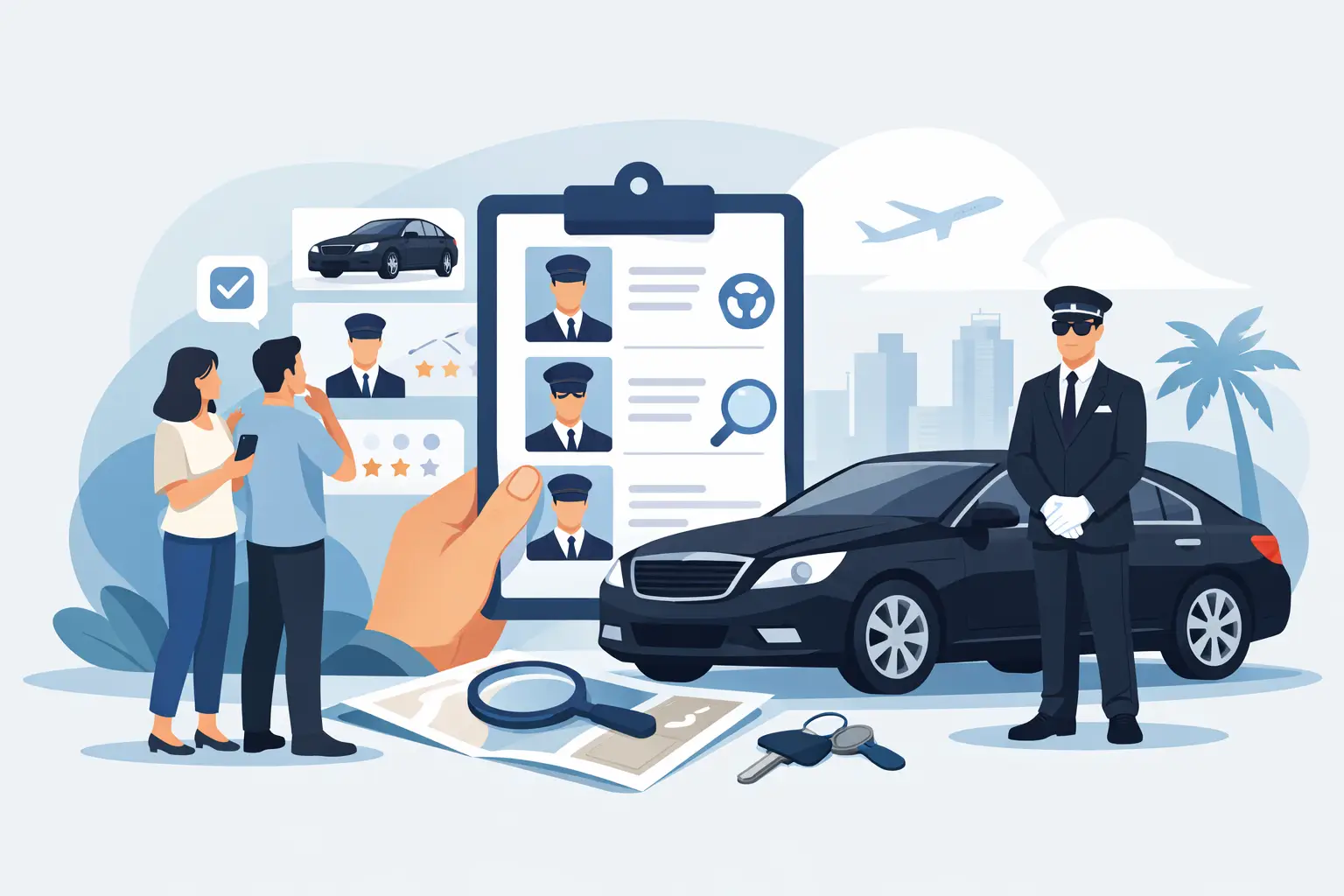
How to Choose Chauffeur Service Wisely

How to Choose Chauffeur Service Wisely

Landing in a new city after a long flight is when transportation decisions feel very real. If you are figuring out how to choose chauffeur service, the right choice usually comes down to one thing – removing uncertainty before your trip even starts.

A good chauffeur service is not just a car with a driver. It is punctual pickup, clear pricing, a vehicle that fits your group and luggage, and a support team that answers when plans change. For airport arrivals, family travel, business meetings, and group transfers, those details matter more than glossy photos or big promises.

How to choose chauffeur service without guesswork

The easiest mistake is choosing based on price alone. Low rates can look attractive until you discover hidden fees, unclear waiting time rules, or vehicles that do not match what was promised. A better approach is to compare what is actually included and how clearly the company explains it.

Start with licensing and legitimacy. A properly licensed transport provider gives you a much stronger baseline for safety, accountability, and service standards. This is especially important if you are booking in a city you do not know well. If a company is vague about who operates the ride, that is usually a sign to keep looking.

Then look at how they present their service. Reliable providers tend to be clear about pickup procedures, rates, cancellation terms, and contact methods. If basic questions are hard to answer before booking, service is unlikely to get easier once you arrive.

Check pricing clarity before anything else

Transparent pricing is one of the best indicators of a dependable chauffeur service. You should know what you will pay upfront, what the rate covers, and whether there are extra charges for waiting time, midnight service, tolls, extra stops, or oversized luggage.

This matters because chauffeur bookings are often made to avoid the uncertainty of taxis and ride-hailing apps. If the final bill can still change unexpectedly, you lose one of the main advantages of pre-booked transport.

When comparing providers, ask yourself whether the quote is truly complete. Fixed rates are often the simplest option for airport transfers and point-to-point rides. Hourly bookings can make more sense for meetings, shopping trips, or flexible sightseeing, but only if the billing terms are easy to understand.

A cheaper quote is not always better value. If one service includes flight monitoring, airport pickup coordination, and customer support while another does not, the higher quote may save you more stress than it costs.

Match the vehicle to the trip

One of the most practical parts of how to choose chauffeur service is choosing the right vehicle, not just a nice one. A sedan may work well for one or two travelers with light bags. Families often need an MPV for strollers and luggage. Small groups may need a van, while larger parties should look at bus or coach options.

This sounds simple, but poor vehicle matching creates avoidable problems. Too little space means discomfort, delays, and baggage issues. Too much space may mean paying for capacity you do not need. The best providers help you choose based on passenger count, luggage volume, child seats, and route type.

If you are traveling with older passengers, children, or colleagues, comfort becomes more than a preference. Easy entry, air conditioning, clean interiors, and enough room for everyone can make a big difference after a flight or during a full day of travel.

Look closely at punctuality and airport experience

For many travelers, the real test of a chauffeur service starts at the airport. A polished website does not help much if nobody is ready when you land. That is why pickup reliability should be one of your main decision points.

Ask whether the company monitors flight arrivals and adjusts for delays. Check how meet-and-greet works, where the driver will wait, and what happens if your immigration or baggage claim takes longer than expected. These details are especially important for international visitors who may not have a local phone number or easy data access on arrival.

A dependable airport transfer should feel organized from the moment you exit customs. You should know who to contact, where to go, and what vehicle to expect. That sense of clarity is often what separates professional chauffeur services from ordinary transport options.

Reviews should tell you more than “good service”

Customer reviews are useful, but only if you read them carefully. Look for comments that mention punctuality, driver attitude, cleanliness, booking ease, communication, and how the company handled changes or delays.

The most useful reviews are specific. If travelers repeatedly mention friendly drivers, smooth airport pickups, clear pricing, and responsive support, that is a stronger signal than a high rating with no detail. Reviews from families, business travelers, or group organizers can be especially helpful if their needs are similar to yours.

It is also worth noticing what is not said. A company may advertise premium service, but if reviews focus mostly on low price and say little about reliability or professionalism, that tells you something too.

A good driver matters as much as the vehicle

When people think about chauffeur service, they often focus on the car first. In reality, the driver shapes most of the experience. Professional appearance matters, but so do safe driving habits, local knowledge, communication skills, and the ability to stay calm when plans shift.

For travelers visiting Singapore, a driver who can explain pickup points clearly, help with luggage, and offer useful local orientation adds real value. This is even more helpful for first-time visitors, families with children, and guests arriving late at night.

Multilingual support can also make the ride easier. If your group includes travelers who are more comfortable in Filipino, Malay, Indonesian, or another language, that personal connection can reduce stress quickly. Warm service and professional service should not be treated as separate things. The best chauffeur experiences deliver both.

Flexibility matters more than people expect

Travel plans change. Flights are delayed, meetings run long, and some groups need an extra stop that was not part of the original plan. That is why flexibility should be part of your decision, not an afterthought.

Check the cancellation policy, booking amendment process, and customer support availability. A company that offers free cancellation within a reasonable window and responds quickly to updates is easier to trust. If support is hard to reach before booking, it may be even harder to reach when you need help during the trip.

This is one reason many travelers prefer specialist operators over informal transport arrangements. With a proper booking system and support team, you are not depending on one driver alone. You are booking a service structure, not just a ride.

For business travel and groups, coordination is the product

Corporate travelers usually care about timing, presentation, and consistency. Families care about space, patience, and a smooth arrival. Group organizers care about coordination above all. Different trips have different priorities, so the best chauffeur service depends on the job it needs to do.

For business travel, look for direct billing clarity, prompt pickups, and vehicles that support a professional arrival. For family travel, vehicle size, child seat options, and luggage handling often matter most. For group transfers, the provider should be able to coordinate multiple passengers, clear pickup timing, and the right vehicle capacity without confusion.

This is where experience with airport transfers, point-to-point rides, hourly hire, and group transportation really shows. A provider that handles these services every day is usually better prepared than one trying to adapt on the spot.

What to ask before you book

If you want a simple way to compare providers, ask a few direct questions. Is the quoted price fixed? What vehicle will be assigned? How many passengers and bags will it fit comfortably? What happens if the flight is delayed? How do I find the driver at pickup? Is customer support available if plans change?

The answers should be clear and fast. Good transport companies do not make you chase basic information. They understand that confidence is part of what you are paying for.

For travelers who want dependable local transportation in Singapore, this is exactly where RetTours tends to stand out – straightforward rates, flexible booking, and professional drivers who make the trip feel organized from the start.

The best chauffeur service is the one that lets you stop thinking about transportation altogether. When the price is clear, the driver is punctual, the vehicle fits, and support is easy to reach, you can focus on the reason you are traveling in the first place.

Read More...
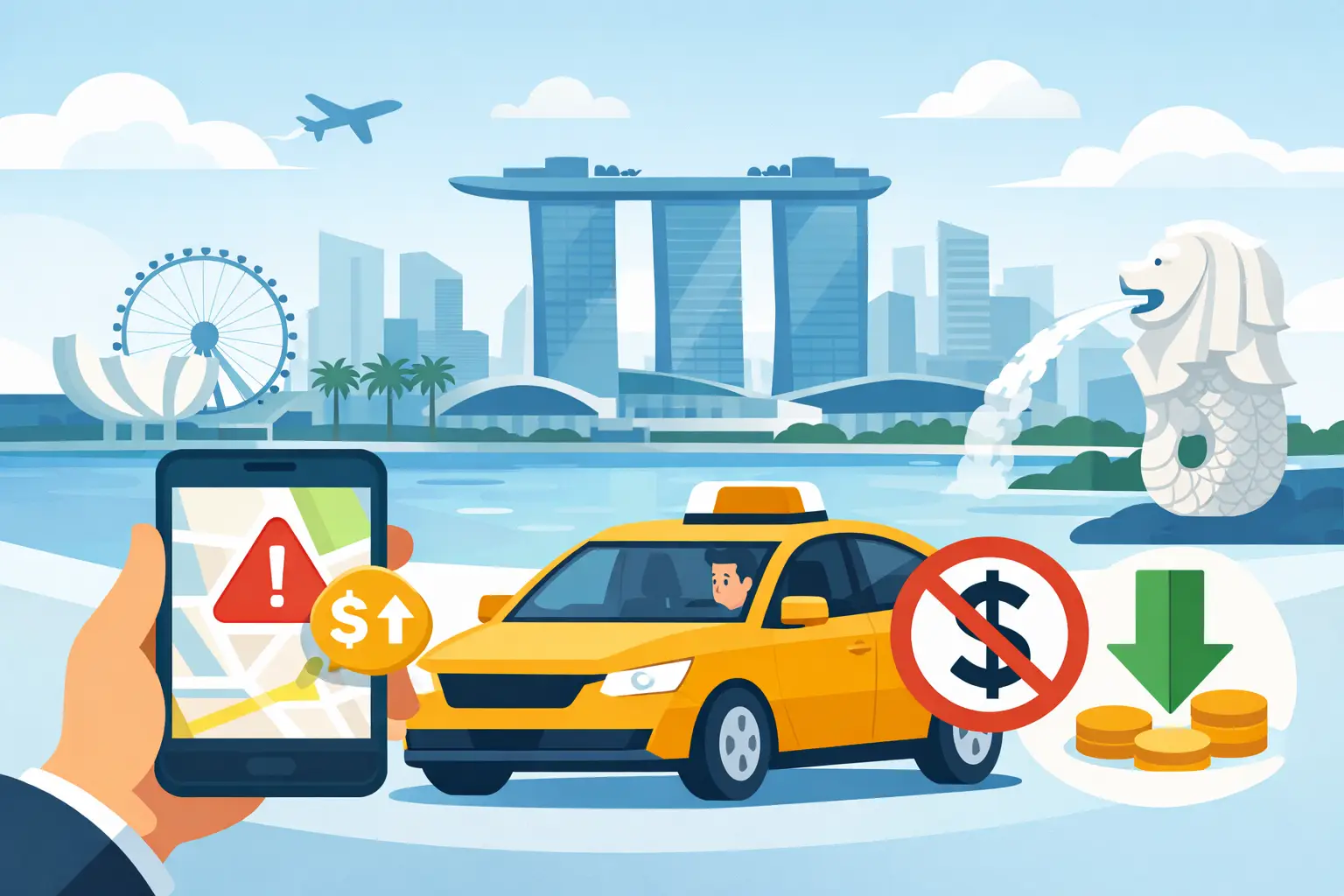
How to Avoid Taxi Surcharges in Singapore

How to Avoid Taxi Surcharges in Singapore

Landing at Changi after a long flight is not the moment most travelers want to study fare rules. Yet that is usually when extra charges appear. If you want to know how to avoid taxi surcharges in Singapore, the best approach is simple: understand when they apply, where they appear, and when a fixed-price transfer makes more sense.

Singapore taxis are regulated and generally reliable, but that does not mean every ride costs the same. Final fares can increase because of airport pickup fees, peak-hour add-ons, late-night surcharges, location-based charges, and booking fees. None of this is unusual, but for visitors, families, and groups, the difference between the expected fare and the final amount can still be frustrating.

How to avoid taxi surcharges before your ride starts

The easiest savings happen before you get into the car. Most surcharges are tied to time, pickup point, or booking method. That means a little planning can reduce surprises.

If your flight lands during late evening or rush hour, check whether your ride will begin in a surcharge period. In Singapore, taxi fares often increase during peak commute windows and at night. If your schedule is flexible, even shifting your departure by 30 to 60 minutes can lower the total cost. This matters most for city rides from the airport, hotel-to-meeting trips on weekday mornings, and evening transfers to tourist areas.

Pickup location matters too. Some places carry fixed add-on charges, especially the airport and certain busy destinations. If you are arriving with luggage, children, or elderly family members, moving to a different pickup point may not be practical. But if you are already in the city and choosing where to be collected, avoiding locations with special fees can help.

Booking method is another detail many travelers miss. Street-hail taxis, app-booked taxis, and private transfers may all follow different pricing structures. A taxi meter may look cheaper at first, but once booking fees and surcharges are added, the total can end up higher than expected. A fixed-rate booking is often better for travelers who care more about certainty than chasing the lowest possible base fare.

Know the common surcharges in Singapore

To avoid extra fees, you need to know what usually triggers them. Singapore taxi pricing is not random, but it can feel confusing if you are unfamiliar with local rules.

Airport surcharges are among the most common. If you take a taxi from Changi Airport, expect an extra fee on top of the meter. This is standard and not something the driver is inventing. The same goes for certain high-traffic places and selected downtown pickup zones at specific hours.

Peak-hour surcharges usually apply during busy commuter periods. These can make short trips feel expensive because the extra charge is layered on top of the metered fare. Late-night surcharges are another common source of sticker shock, especially for travelers arriving on red-eye flights or heading back to hotels after dinner or events.

There may also be booking fees depending on how the ride was arranged. Some passengers assume app pricing is automatically more transparent. Sometimes it is. Sometimes it simply packages the extras differently. The key point is not whether the ride is booked by phone, app, or at a stand. The key point is whether you know the full amount before the trip begins.

Fixed fares can be the simplest way to avoid surprises

For many visitors, the most practical answer to how to avoid taxi surcharges is to skip variable pricing altogether. A pre-booked private transfer with a fixed upfront rate gives you the total before pickup, which is especially useful after a flight, during business travel, or when coordinating a family.

This is not always the cheapest option for every single trip. If you are traveling alone, off-peak, with no luggage, and heading a short distance, a metered taxi may come out lower. But that depends on timing and route. Fixed pricing becomes more attractive when you want budget certainty, need a larger vehicle, or simply do not want to calculate extra fees while standing curbside.

For airport pickups, a fixed-fare service can be especially helpful because arrivals are when travelers are most vulnerable to confusion. You may be tired, carrying bags, managing kids, or arriving in a country for the first time. Knowing the price in advance removes one layer of stress.

Families and groups should compare total cost, not just base fare

A standard taxi fare can look reasonable until you add practical realities. Families often need more trunk space, child-friendly boarding time, or a larger vehicle. Groups may need two taxis instead of one. That changes the math quickly.

If you need multiple cars, separate booking fees and separate surcharges can push the total higher than expected. The same is true if one taxi cannot fit your luggage. In these cases, a pre-arranged MPV, van, or minibus may be more cost-effective overall, even if the upfront number initially looks higher than one taxi meter.

This is where travelers often make the wrong comparison. They compare one taxi base fare against one private vehicle rate, when the real comparison should be total door-to-door cost for everyone traveling together. For airport transfers, hotel moves, cruise terminal pickups, or family sightseeing days, bigger vehicles can offer better value and far less hassle.

Watch the timing of airport arrivals and departures

Changi is efficient, but timing still affects transport costs. If your plane lands during a surcharge window, the first available metered ride may not be your most economical choice. The same applies when departing for the airport during weekday peak periods.

If you are booking transport to the airport, build your plan around both traffic and pricing. Leaving too late can mean heavier traffic and peak surcharges at the same time. Leaving a little earlier may feel less convenient, but it can give you a smoother trip and a more predictable bill.

For arrivals, pre-booking is often worth it because flight schedules do not always align with the cheapest taxi times. It also helps if immigration or baggage claim takes longer than expected. A booked transfer is built around your arrival, while an on-the-spot taxi choice is simply whatever is available at that moment.

Ask one question before you confirm any ride

Whether you are using a taxi queue, calling a car, or arranging a transfer, ask this: What will I pay in total, including all surcharges and fees?

That one question solves a lot. It shifts the conversation from advertised fare to real fare. If the answer is unclear, you are taking a chance. If the total is confirmed upfront, you can make a clean comparison.

This is especially useful for business travelers who need receipts that match expectations and for travel planners coordinating transport for clients. Surprises create admin work. Clear pricing prevents it.

When a taxi is still the right choice

Avoiding surcharges does not always mean avoiding taxis. For short city trips during off-peak hours, a regular taxi can still be convenient and fair. Singapore has a strong transport system, and taxis remain a practical option in many situations.

The issue is not that taxis are bad value. The issue is that visitors often do not realize how quickly extras can change the price. If you know the timing, the pickup point, and the likely add-ons, taxis can work perfectly well.

But if your ride happens at the airport, late at night, during rush hour, or with several passengers and bags, fixed-price transport usually offers a better experience. You are not just paying for the vehicle. You are paying for clarity, coordination, and one less thing to worry about.

A smarter way to travel in Singapore

The best strategy for how to avoid taxi surcharges is not hunting for loopholes. It is choosing the right ride for the situation. Metered taxis work well for some trips. Pre-booked fixed fares work better for others.

If your priority is certainty, especially for airport transfers, family travel, business schedules, or group transport, book a licensed service that tells you the full price upfront. Companies like RetTours are built around that kind of clarity, with professional drivers, fixed rates, and the kind of planning that helps visitors move through Singapore without second-guessing every extra charge.

A good ride should feel simple before it starts. When you know what you will pay, where you will be picked up, and who is meeting you, the trip starts on the right foot.

Read More...